

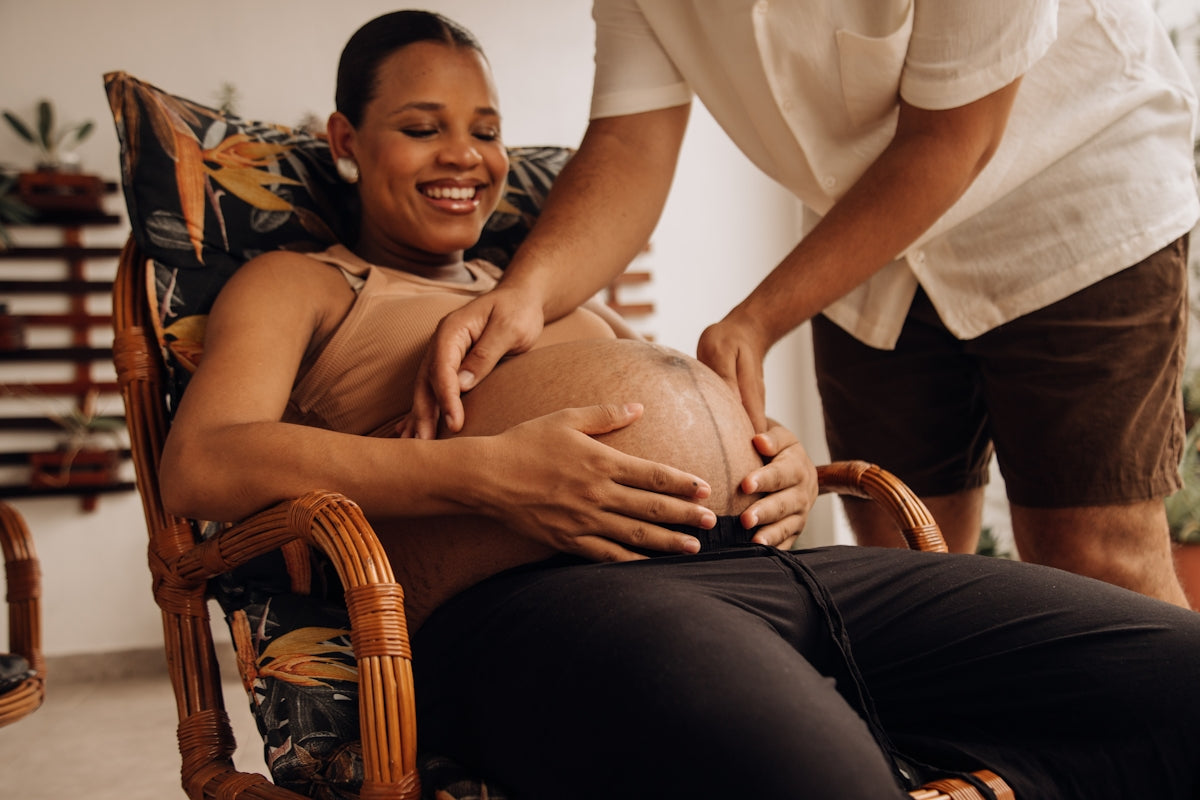
Welcoming a new life into the world can be one of the most wondrous experiences you'll ever have as a mum. As the journey progresses towards labour, the anticipation and excitement might be mingled with apprehension about the pain associated with childbirth. But fear not, as there are several non-medical pain relief methods you can explore to make your birthing experience more comfortable and empowering.
The Role of Relaxation and Movement
Birthing naturally is a dynamic process requiring both physical and mental endurance. It's crucial to understand the significance of relaxation and movement to help ease pain during labour.
Relaxation Techniques
Relaxation techniques, such as focused breathing, visualisation, and gentle music, can significantly help in managing labour pain. These methods work by promoting the release of endorphins, the body's natural painkillers, thus helping to create a sense of calm and control.
Focused breathing involves taking deep, slow breaths, which can help you stay calm and centred. Visualisation techniques might involve imagining yourself in a peaceful setting or envisioning the birth going smoothly. Coupled with soothing music, these techniques can create a serene atmosphere conducive to reducing anxiety and discomfort.
Consider integrating these practices into your daily routine during pregnancy here to experience their full benefits.
Movement and Positions
Being mobile during labour can potentially ease pain by facilitating the baby's descent through the birth canal. Walking, swaying, or using a birthing ball can help, and changing positions enables flexibility in the pelvis, giving your baby more room to move.
A birthing ball can be particularly helpful. It allows gentle movements and helps you maintain an upright posture, aiding in effective contractions and reducing discomfort.
Additionally, exploring different labour positions such as standing, kneeling, or squatting can help find what feels right for your body at each stage of labour. Each position has its benefits, and listening to your body's cues will direct you to what feels most comfortable.
The Comfort of Touch
Touch can have a tremendous impact during labour. Whether it’s through massage or the comforting presence of a partner or support person, touch can convey reassurance and help in reducing pain.
Massage
Massage works wonders in easing muscle tension, enhancing mood, and providing comfort during labour. Simple techniques such as light stroking of the arms and back or firmer pressure on lower back and sacrum can be incredibly soothing. Encourage your partner or support person to practice these techniques before your due date.
Acupuncture and Acupressure
Though practiced for centuries, acupuncture and acupressure have gained popularity as effective non-medical methods for managing labour pain. Acupuncture involves inserting thin needles into specific points on the body to release tension, while acupressure involves applying pressure to these points.
Both methods stimulate the release of endorphins and oxytocin, helping to reduce pain and accelerate labour.
Benefits of Hydrotherapy
Water has long been cherished for its soothing properties, making hydrotherapy a popular choice for pain relief during labour. Whether you choose to use a birth pool or a shower, the buoyancy of water supports your body and alleviates pressure, letting you move more freely and aiding in relaxation.
The warmth of the water can provide immediate relief from contractions, softening the skin and increasing blood flow to the muscles.
Aromatherapy: Using Scents to Soothe
Aromatherapy is another wonderful option to consider. Essential oils such as lavender, chamomile, or rose can calm nerves and ease tension. Simply adding a few drops to a diffuser, a warm compress, or even a bath can create an inviting, tranquil environment.
Ensure to choose high-quality oils and consult an aromatherapist or healthcare provider for guidance on safe usage.
Creating Your Sanctuary: The Role of Environment
Never underestimate the importance of your surroundings in managing labour pain. A peaceful environment can make a significant difference in helping you feel more at ease.
Enhancing Your Space

Consider dimming the lights, playing soft music, or bringing personal items that bring you comfort and joy. Your birthing space should feel like a sanctuary where you feel safe and relaxed.
Comfort is key, and products like the ComfyBump Pregnancy Pillow can enhance your comfort as you transition from late pregnancy to labour. This specialised pillow supports your growing belly and aids in a restful sleep, preparing you both mentally and physically for the journey ahead.
Support: Doula or Birth Partner
Labour can be an intense experience, yet having a strong support system in place can make a substantial difference in managing pain naturally. A birth partner, whether it's your spouse, a friend, or a doula, can offer emotional support, apply comfort techniques, and help advocate for your birthing preferences.
Doulas, in particular, are well-versed in pain-relief tactics and can provide continuous care and encouragement throughout your labour. They can help you navigate through any challenges, ensuring you feel supported.
Listening to Your Body
Ultimately, the key to a positive birth experience lies in listening to your body and understanding its cues. It's normal for your pain relief needs to change throughout labour, and exploring multiple non-medical methods can provide the flexibility you need.
Every mum is different, and what's important is finding the techniques that resonate with you. Remember, this is your journey, and the goal is to feel empowered and secure in your choices.
For more insights into managing changes during this transformative phase, see our piece on Coping Strategies for New Mothers Facing Physical Changes.
Embracing the Journey
The transition into motherhood is a remarkable and beautiful journey. Labour is a profound part of that transition, presenting an array of sensations and emotions. By exploring these non-medical pain relief methods, you are not only preparing your body but also nurturing a mind-set ready to embrace the experience.
For continued guidance on this transition to parenthood, take some time to read Guidance on the Transition to Parenthood for New Parents.
We're here to help make your journey as smooth and rewarding as possible. Visit us at The Comfy Bump where you can find more resources, products, and support to help you prepare for the arrival of your little one.
Wishing you comfort, courage, and joy as you welcome your precious bundle into the world!
Share:
Crafting a Personalised Self-Care Routine During Pregnancy
How-to Guide on Budgeting for a Baby's First Year